Benefits of Managed Offices for Growing Businesses
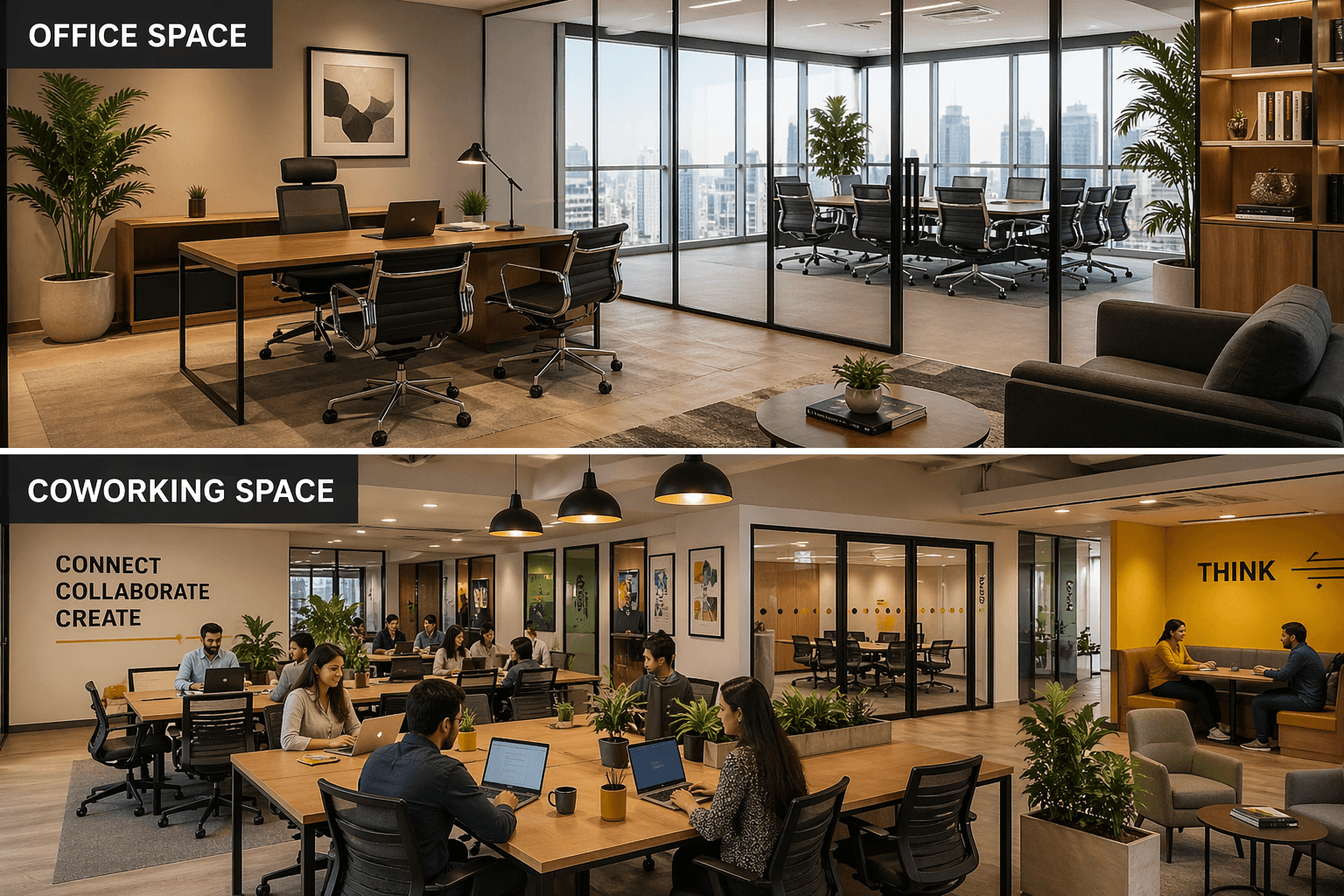
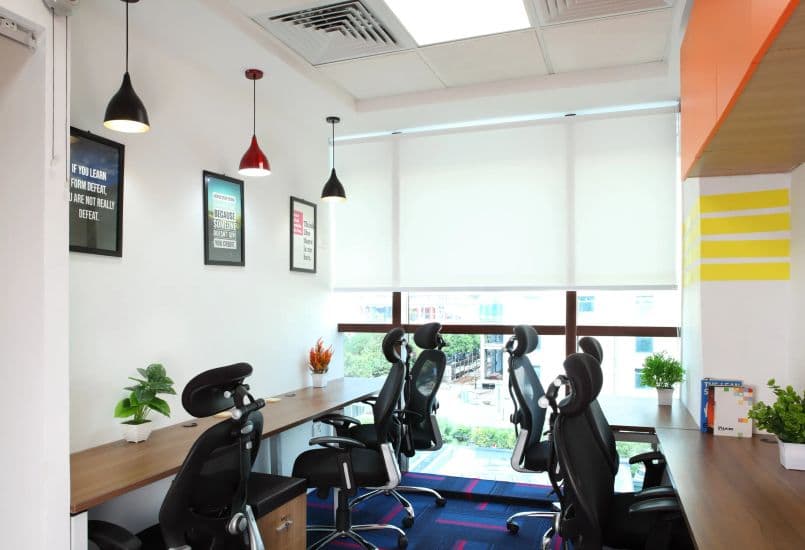
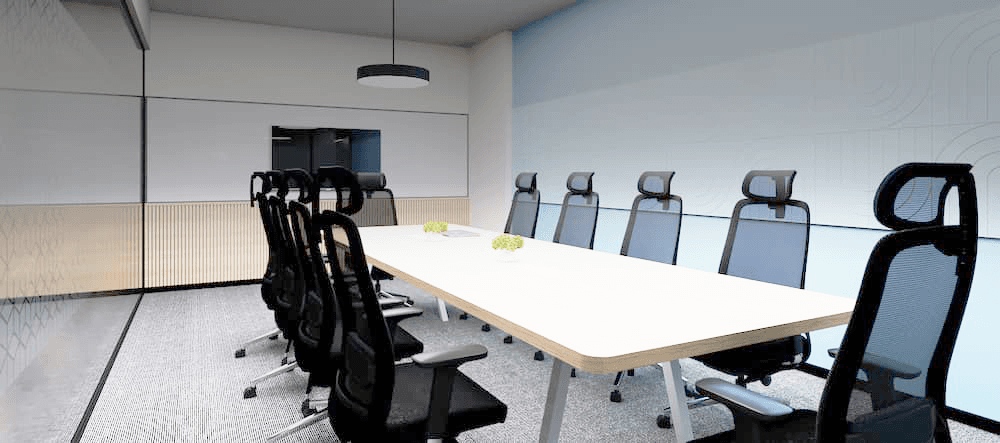
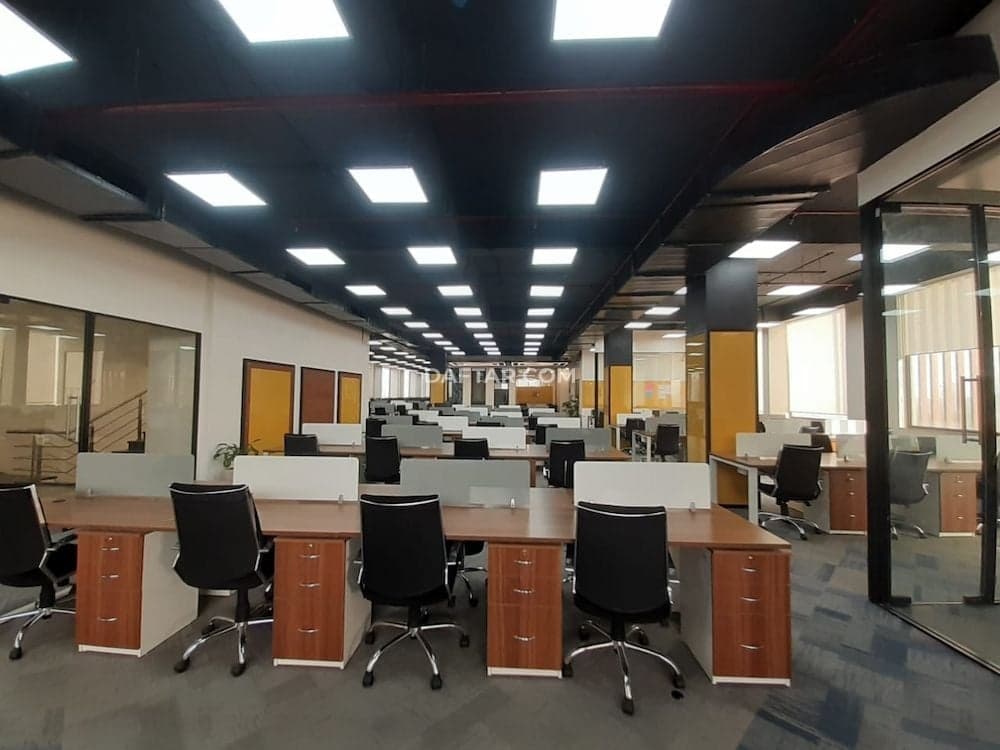
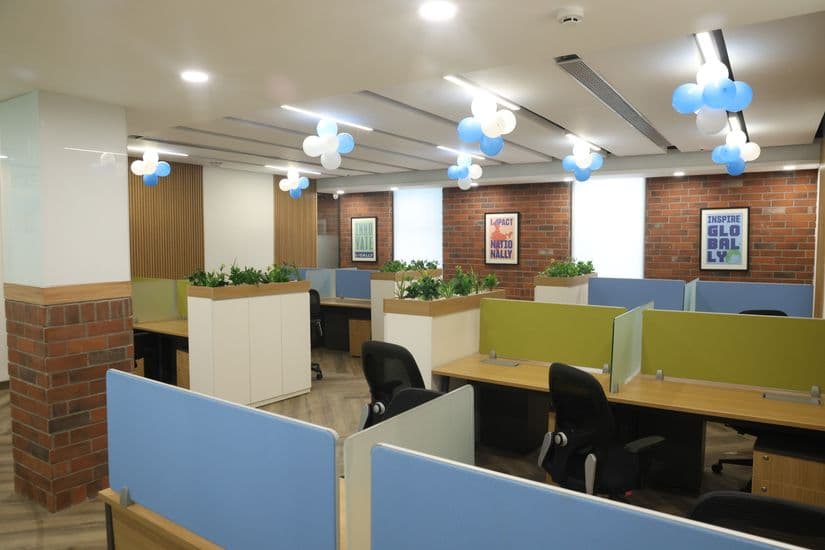
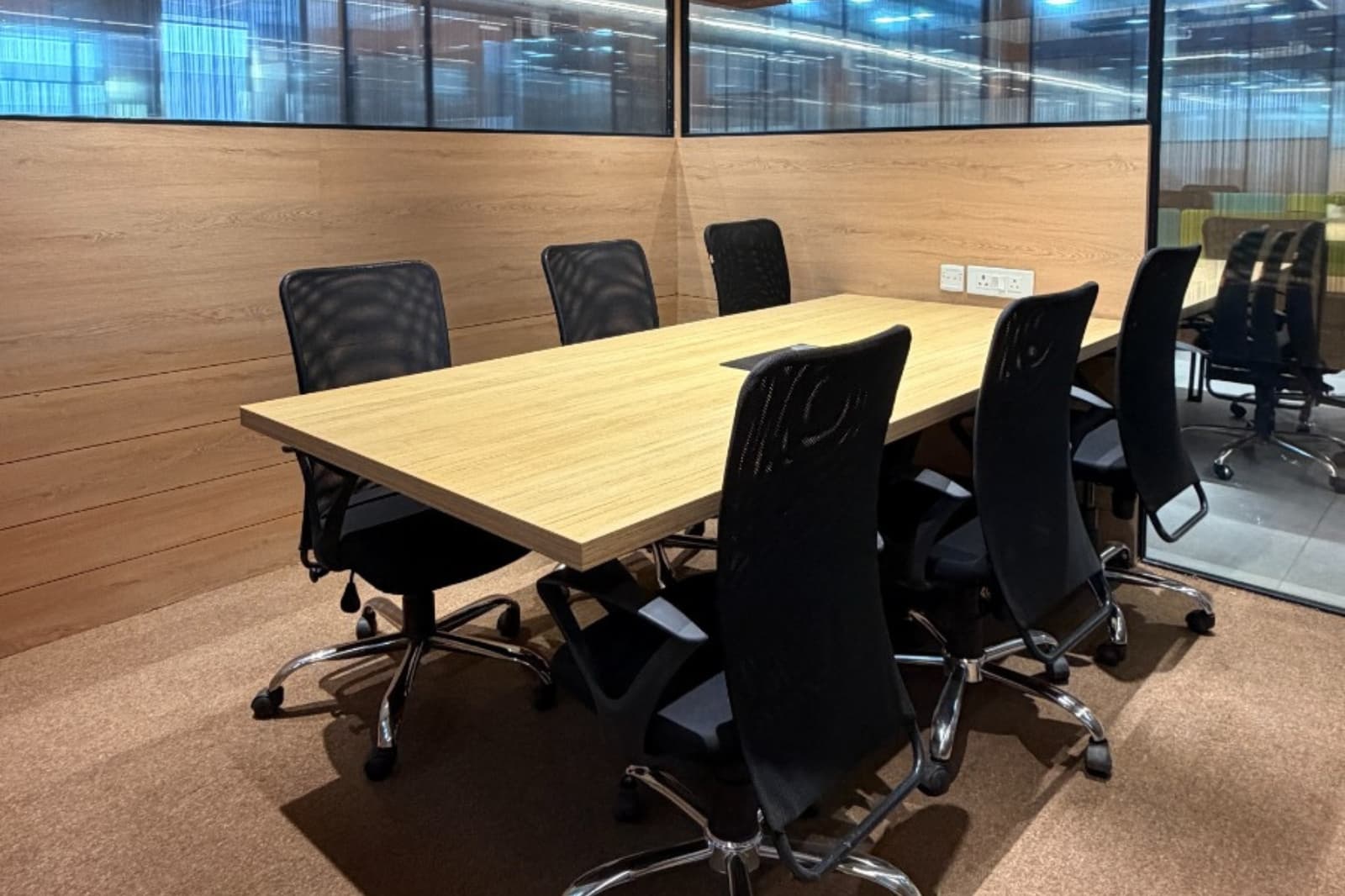
As businesses scale, one of the biggest challenges they face is finding a workspace that supports growth without creating unnecessary financial and operational burdens. Traditional office leases often require long-term commitments, significant upfront investments, and ongoing facility management responsibilities. For startups, SMEs, and rapidly expanding companies, these commitments can limit flexibility and divert focus from core business activities. This is where managed offices have emerged as a practical and strategic solution. Combining the professionalism of a private office with the convenience of fully managed services, managed office spaces are helping businesses operate more efficiently while maintaining the flexibility needed in today's competitive environment. What Is a Managed Office? A managed office is a fully serviced workspace provided by an operator who handles office setup, maintenance, utilities, internet, security, housekeeping, and other administrative requirements. Businesses occupy a private office tailored to their needs without having to invest in infrastructure or manage day-to-day facility operations. Unlike conventional leasing models, managed offices offer a ready-to-move-in environment, allowing companies to begin operations almost immediately. Many growing companies now explore flexible workspace solutions through platforms like DAFTAR.COM, which helps businesses discover furnished offices and workspace options across major commercial markets. Reduced Upfront Costs One of the most significant advantages of managed offices is cost efficiency. Traditional office spaces often require substantial capital expenditure, including: Office interiors and fit-outs Furniture and workstations Internet and networking infrastructure Security systems Utility deposits Maintenance contracts Managed offices eliminate most of these expenses because the infrastructure is already in place. For startups and growing businesses, preserving cash flow is essential. Instead of spending large amounts on office setup, companies can allocate resources toward product development, marketing, hiring, and customer acquisition. Example A technology startup with 25 employees may spend several lakhs setting up a traditional office. In contrast, a managed office allows the team to move in immediately and begin operations without significant upfront investment. Faster Business Expansion Speed matters in today's business environment. When companies identify new opportunities in another city or market, waiting months to establish an office can delay growth plans. Managed offices enable organizations to expand rapidly because the workspace is already operational. Businesses can: Launch new branches quickly Enter new markets with lower risk Scale teams without long setup timelines Test locations before making long-term commitments This flexibility is particularly valuable for startups, consulting firms, technology companies, and sales-driven organizations. Flexible Scalability Growth rarely follows a predictable path. A business may grow from 20 employees to 50 employees within a year, while another may need temporary project teams for a few months. Traditional leases often struggle to accommodate such fluctuations. Managed offices offer scalability that aligns with business requirements. Companies can: Add workstations when hiring increases Upgrade to larger office suites Reduce space during slower periods Expand across multiple locations This adaptability helps organizations avoid paying for unused space while ensuring they always have room to grow. Improved Productivity Managing office operations can become a distraction for business leaders. Tasks such as internet troubleshooting, facility maintenance, vendor management, cleaning services, and security coordination consume valuable time and resources. Managed office providers handle these responsibilities, allowing companies to focus on: Revenue generation Customer service Team management Product innovation Strategic growth initiatives A workspace that functions smoothly creates a more productive environment for employees and leadership teams alike. Professional Business Environment First impressions matter. Managed offices typically offer premium infrastructure and modern workplace amenities that help businesses project a professional image. Features often include: Reception services Meeting rooms Conference facilities High-speed internet Business lounges Visitor management systems Access control and security For startups and emerging businesses, having access to a professional office environment can enhance credibility with clients, investors, and business partners. Predictable Monthly Expenses Budgeting becomes easier when office costs are consolidated into a single monthly payment. Traditional office leases involve multiple recurring expenses, including: Rent Electricity Maintenance charges Internet services Cleaning costs Security expenses Facility management fees Managed offices bundle many of these costs into one predictable package. This transparency allows businesses to forecast operational expenses more accurately and avoid unexpected facility-related expenditures. Access to Prime Business Locations Office location remains a crucial factor in attracting clients, employees, and business opportunities. Premium commercial districts often have high rental rates and substantial setup costs, making them inaccessible to many growing companies. Managed office solutions make these locations more attainable by distributing infrastructure and operational costs across multiple occupants. As a result, businesses can establish a presence in prominent commercial hubs without committing to expensive long-term leases. Many organizations searching for flexible workspace options and managed office solutions use office space platforms to compare locations, pricing, and amenities before making a decision. Enhanced Employee Experience Employee expectations have evolved significantly in recent years. Modern professionals seek workplaces that offer: Comfortable work environments Collaborative spaces Reliable connectivity Meeting facilities Convenient locations Professional amenities Managed offices are designed to meet these expectations. A well-equipped workspace can improve employee satisfaction, support collaboration, and contribute to talent retention—an important advantage in competitive hiring markets. Business Continuity and Reliability Operational disruptions can affect productivity and revenue. Managed office providers typically maintain dedicated support teams to ensure business continuity. Services often include: IT support Backup power systems Facility maintenance Security monitoring Internet redundancy This reliability reduces operational risks and allows businesses to focus on growth without worrying about infrastructure challenges. Networking and Collaboration Opportunities Many managed office environments are located within larger business communities that include startups, consultants, technology firms, creative agencies, and established enterprises. This ecosystem can create valuable opportunities for: Partnerships Client referrals Vendor relationships Knowledge sharing Industry networking For entrepreneurs and growing businesses, these interactions can lead to meaningful commercial opportunities and strategic collaborations. Why Growing Businesses Are Choosing Managed Offices Recent workplace trends indicate a strong shift toward flexible workspace models. Industry reports consistently show increasing demand for managed offices and flexible commercial real estate solutions as companies prioritize agility, cost control, and operational efficiency. Businesses increasingly prefer flexible workspaces available through DAFTAR.COM's coworking platform. The ability to access fully furnished offices, expand as needed, and avoid large capital investments makes managed offices particularly attractive for modern organizations. Whether a company is launching its first office, expanding into new markets, or optimizing operational costs, managed office spaces provide a practical alternative to traditional leasing models. Conclusion Managed offices have transformed how growing businesses approach workplace strategy. By combining flexibility, professional infrastructure, predictable costs, and scalability, they enable organizations to focus on what matters most—growth. From startups seeking their first professional workspace to established companies expanding into new cities, managed offices offer a solution that aligns with the demands of modern business. As organizations continue to prioritize agility and efficiency, managed office spaces are likely to remain a key component of the future workplace landscape.