The Strategic Blueprint for Office Space and Coworking in India
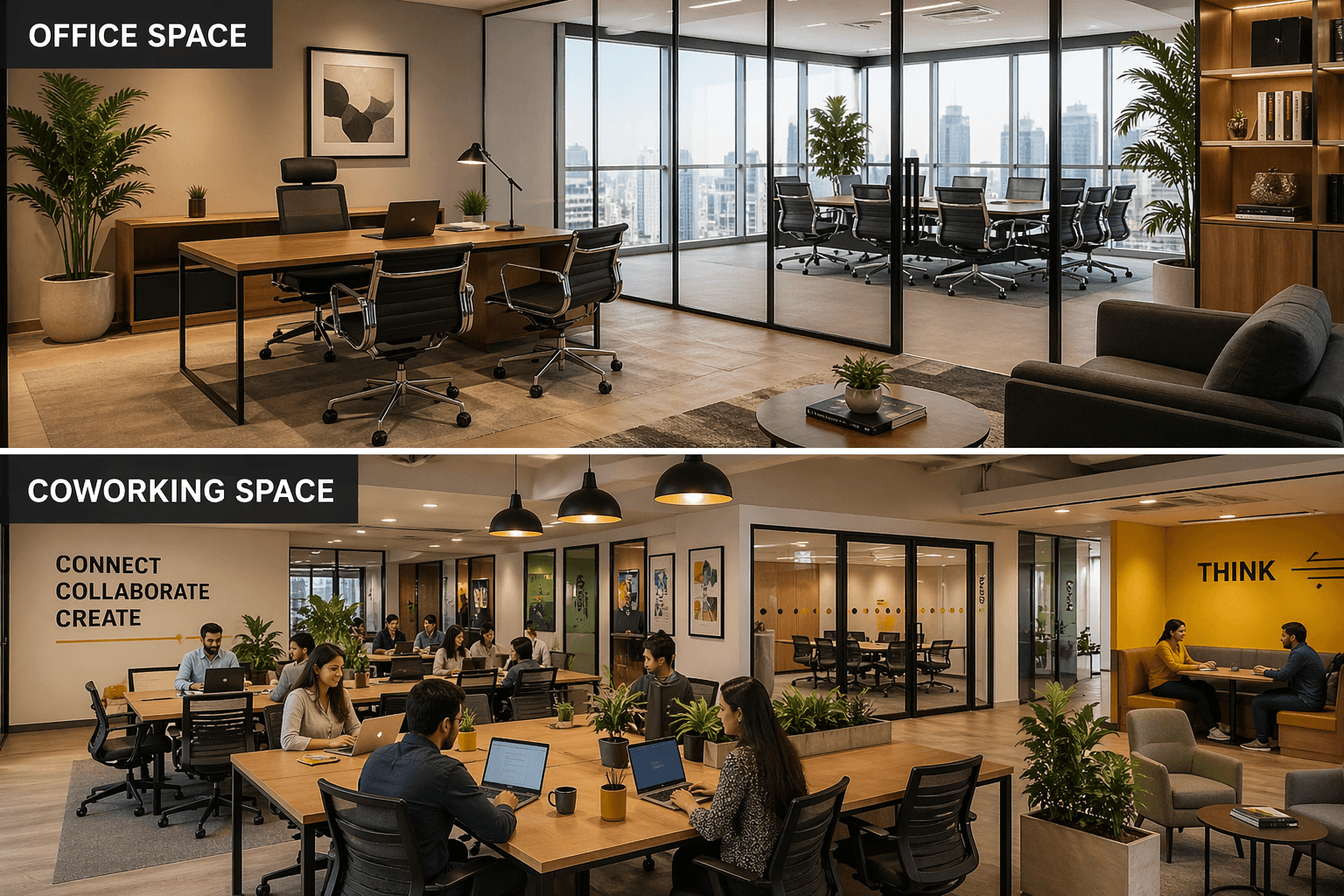
The landscape of office space and coworking in India is evolving at a decisive pace, driven by strong occupier demand, enterprise expansion, and the growing influence of global capability centers. What was once a market dominated by conventional long-term leases is now transitioning toward flexible, technology-enabled, and experience-driven workplace solutions. Across major business hubs, companies are reassessing their real estate strategies to prioritize agility, scalability, and operational efficiency. This structural shift is reinforcing the role of managed offices and flexible workspaces as a core component of modern corporate portfolios. Businesses evaluating flexible office solutions across multiple cities often begin their search on platforms such as Daftar , which provide visibility into ready-to-move workspaces nationwide. Table of Contents India’s Office Market Enters a New Phase Demand Drivers Reshaping Workspace Strategy Enterprise and GCC Momentum City-Level Performance Trends Supply, Vacancy and Rental Movements Managed Offices vs Traditional Leasing Emerging Trends in Flexible Workspaces How Occupiers Should Evaluate Office Space Key Takeaways FAQs India’s Office Market Enters a New Phase India’s commercial office sector has demonstrated notable resilience and expansion momentum in recent years. Strong domestic demand, improving business confidence, and continued corporate expansion have supported healthy leasing activity across the top cities. However, the nature of demand has shifted meaningfully. Earlier, occupiers typically preferred: Long-term fixed leases Centralized headquarters Heavy upfront capital expenditure Static seat planning Today’s occupiers increasingly prioritize: Portfolio flexibility Plug-and-play environments Distributed team models Experience-led workplaces This transition is accelerating the adoption of flexible workspace formats across the country. Demand Drivers Reshaping Workspace Strategy Multiple structural factors are fueling the growth of office space and coworking in India. Return-to-Office Momentum Organizations across sectors have been steadily encouraging employees to return to physical workplaces in hybrid formats. This has supported fresh leasing activity while also driving demand for modern Grade A environments. Companies now seek workspaces that can: Support collaboration Enhance employee experience Enable hybrid attendance patterns Provide operational flexibility Flexible workspace providers are well positioned to meet these evolving needs. Technology Sector Leadership Technology and IT-enabled services continue to anchor office demand in India. Their project-based hiring cycles and distributed workforce models naturally align with flexible office solutions. These firms typically value: Rapid scalability Multi-city presence Built-in infrastructure Shorter commitment cycles BFSI and Consulting Expansion Financial services, consulting, and research firms are also expanding their office footprints. Many of these occupiers are increasingly open to managed offices, particularly for satellite teams and new market entries. Startup and SME Ecosystem India’s startup ecosystem remains active, with many early-stage and growth-stage companies preferring flexible office formats that align with uncertain headcount trajectories and funding cycles. Enterprise and GCC Momentum One of the most important structural shifts in the market is the growing participation of large enterprises and global capability centers (GCCs). Rise of Large-Format Deals Large occupiers are taking up significant office footprints across major cities, signaling strong long-term confidence in India’s business environment. These deals are often driven by technology firms and financial institutions expanding their India operations. GCC Expansion Strategy Global companies continue to strengthen their India presence through capability centers focused on technology, finance, analytics, and back-office operations. These centers typically require: Scalable office infrastructure High-quality Grade A buildings Tech-enabled environments Access to skilled talent pools Flexible and managed office providers are increasingly capturing a share of this demand, especially for phased expansions. Enterprise Preference for Managed Offices Large corporations are no longer viewing coworking purely as a startup solution. Instead, managed offices are being used for: Project teams Innovation hubs Satellite offices Rapid market entry This shift marks the sector’s transition into a mature institutional asset class. City-Level Performance Trends Demand for office space and coworking in India remains concentrated in the top six markets, though emerging cities are gaining attention. Leading Markets Bengaluru continues to dominate leasing activity, supported by its deep technology ecosystem and strong startup pipeline. Delhi NCR remains a major enterprise hub, with strong absorption across Gurugram and Noida micromarkets. Mumbai benefits from its diversified occupier base, particularly in financial services. Chennai, Hyderabad, and Pune continue to attract occupiers due to competitive costs and strong talent availability. Together, these cities account for the majority of India’s office absorption. Micro-Market Dynamics in NCR Within Delhi NCR, leasing activity is heavily concentrated in: Gurugram’s CBD and SBD corridors Noida Expressway Noida CBD Occupiers are increasingly targeting next-generation buildings that support sustainability goals, operational efficiency, and employee experience. Supply, Vacancy and Rental Movements The supply pipeline across India’s major office markets has remained active, with new Grade A completions entering key cities. Strong leasing momentum has helped maintain relatively stable vacancy levels in many markets. Supply Trends New completions have been led primarily by southern markets such as Bengaluru and Pune, while NCR has also seen a meaningful increase in fresh supply. A significant portion of new inventory is focused on: Premium Grade A assets Tech-enabled buildings ESG-compliant developments Campus-style office parks Vacancy Movement Healthy absorption levels have helped vacancy rates trend downward in several key markets. This indicates sustained occupier confidence and improving market fundamentals. Rental Trajectory Rental values across major cities have shown a gradual upward movement, particularly in premium micromarkets where demand for high-quality space remains strong. The rental uplift is largely being driven by: Flight to quality Limited prime supply in select corridors Preference for modern buildings Enterprise-grade requirements Managed Offices vs Traditional Leasing Companies evaluating real estate strategies are increasingly comparing managed offices with conventional leasing models. Managed Offices Minimal upfront capex Faster occupancy timelines Built-in facility management High flexibility Easier scalability Traditional Leases Significant fit-out investment Longer lock-in periods Higher operational burden Slower expansion cycles For growth-focused companies, managed offices often provide a more agile and financially efficient solution. Organizations exploring multiple workspace formats often use platforms like Daftar to compare options across cities before finalizing their office strategy. Emerging Trends in Flexible Workspaces Several structural trends are expected to shape the next phase of growth in India’s flexible office market. Hub-and-Spoke Networks Companies are increasingly adopting distributed workplace strategies instead of relying on a single large headquarters. This improves employee accessibility and supports hybrid work models. Flight to Quality Occupiers are prioritizing premium buildings with strong amenities, sustainability credentials, and modern infrastructure. Growth of Tier 2 Cities As infrastructure improves, Tier 2 cities are emerging as viable destinations for back offices, GCC expansions, and satellite teams. Technology-Enabled Offices Smart access, occupancy analytics, and hybrid workplace tools are becoming standard features in modern office environments. Hospitality-Led Workspaces Workspace providers are differentiating through service quality, community programming, and workplace experience rather than just pricing. How Occupiers Should Evaluate Office Space Selecting the right office solution requires a structured evaluation framework. Strategic Factors Headcount growth outlook Expansion roadmap Capex vs opex preference Flexibility requirements Brand positioning Operational Factors Location connectivity Building grade Scalability within the same center Customization capability Operator track record A well-planned evaluation helps occupiers balance cost efficiency with long-term scalability. Key Takeaways Office space and coworking in India are entering a mature growth phase. Enterprise and GCC demand is the primary market driver. Flexible workspace adoption continues to expand across sectors. Premium Grade A buildings are seeing the strongest traction. Hybrid work will remain a long-term structural catalyst. FAQs What is driving the growth of office space and coworking in India? Growth is being driven by enterprise expansion, GCC activity, hybrid work adoption, and the need for flexible real estate strategies. Are large enterprises using flexible workspaces in India? Yes. Many large corporations are increasingly adopting managed offices for project teams, satellite offices, and rapid expansions. Which cities lead the flexible workspace market in India? Bengaluru, Delhi NCR, Mumbai, Hyderabad, Chennai, and Pune currently lead the market in terms of demand and supply. Is coworking more cost-effective than traditional office leasing? In many cases, flexible offices reduce upfront capital expenditure and convert fixed costs into predictable operating expenses. What is the future outlook for flexible workspaces in India? The outlook remains positive, supported by enterprise demand, distributed work models, and India’s continued role in global corporate expansion. Conclusion The evolution of office space and coworking in India reflects a broader transformation in how companies approach workplace strategy. Flexibility, speed, and employee experience are now central to real estate decision-making. As occupiers continue to prioritize agility and scalability, flexible workspace solutions are set to play an increasingly strategic role in India’s commercial office ecosystem.